How many Google reviews does a local business need?

18 September 2026 · 4 min read
There is no magic number, but there are thresholds where customer behaviour changes, and a pattern that matters more than the total.
The thresholds that change behaviour
Below about ten reviews, a rating reads as an accident — one annoyed customer can drag it a full star, and shoppers know it. Between ten and fifty, the average starts to look earned. Past a hundred, most people stop counting and read the recent ones instead.
The practical goal for most shops is not a big number. It is enough reviews that one bad week cannot define you.
Why freshness beats volume
A business with 40 reviews where the newest is from last week looks open, busy and current. One with 300 where the newest is two years old looks like it might have closed.
This is the argument for collecting a few every week rather than running one campaign a year.
What a realistic weekly rate looks like
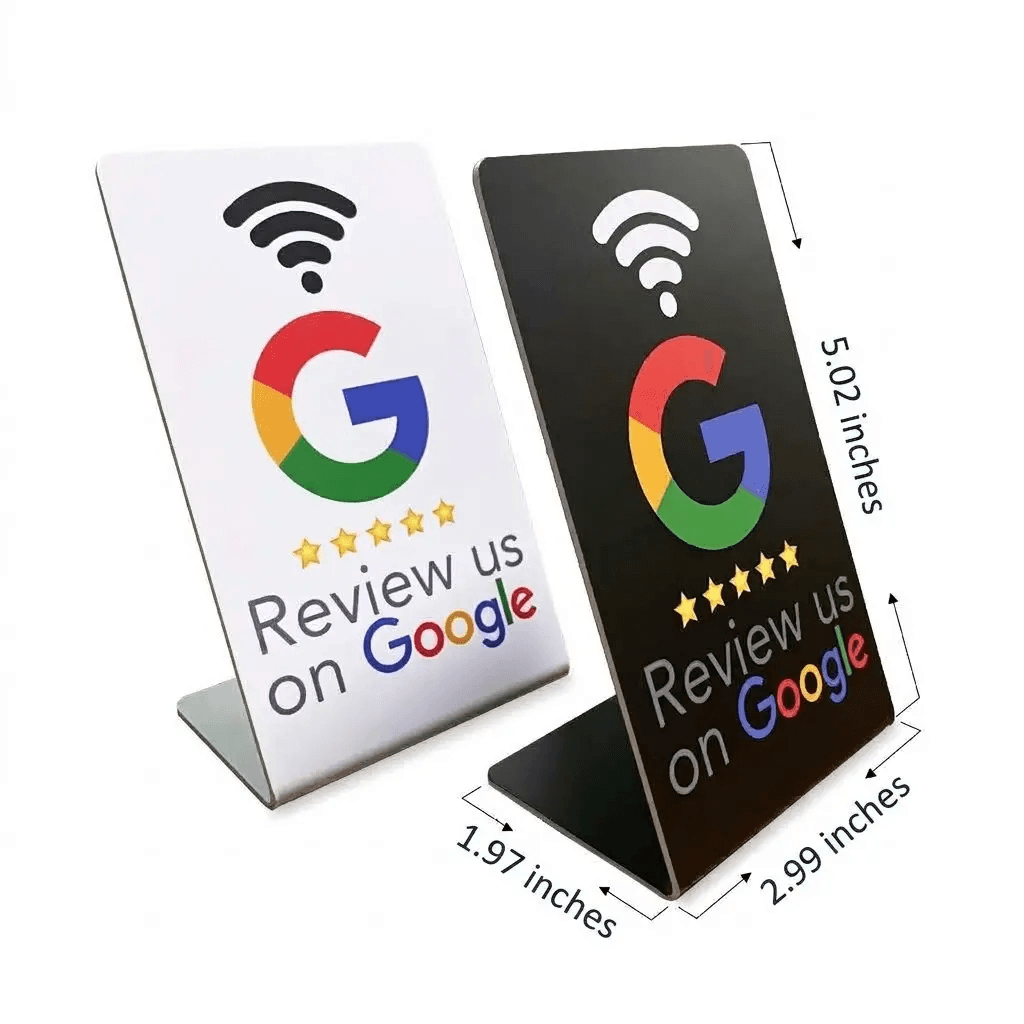
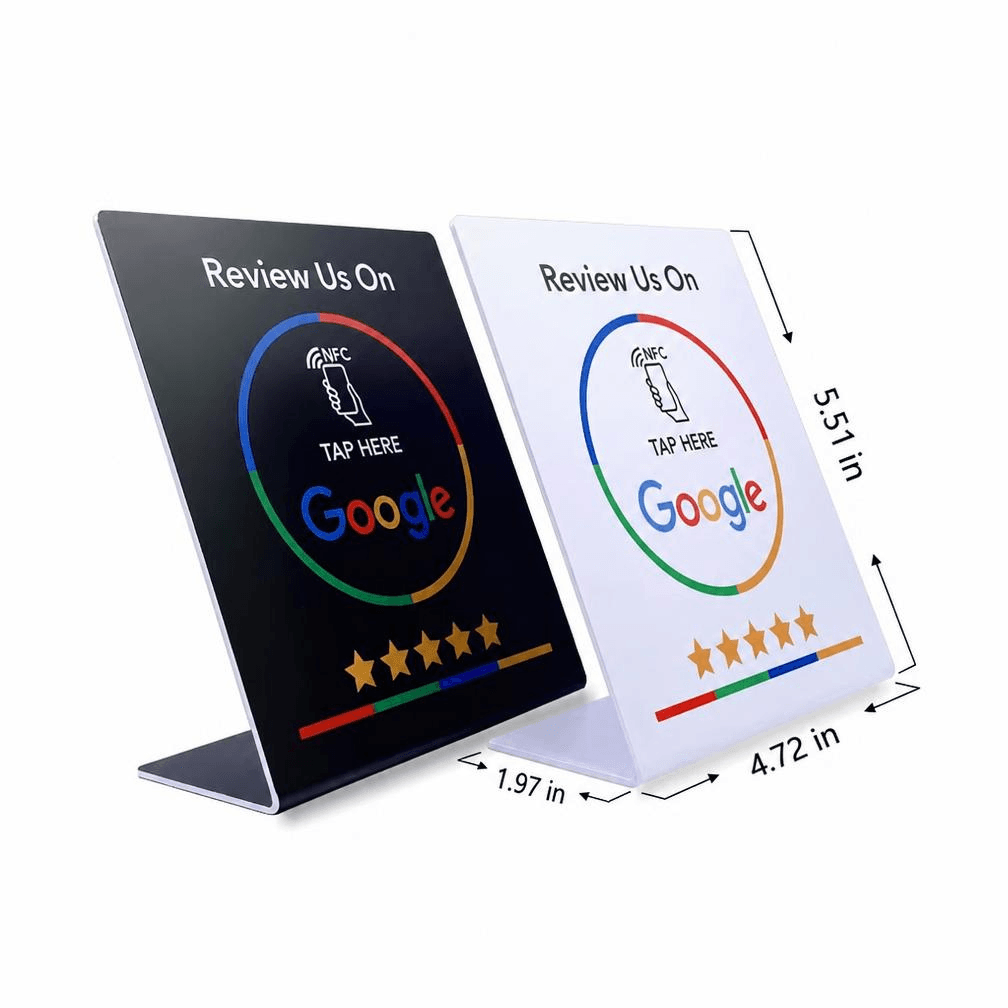
A sign on the counter plus staff mentioning it typically converts a small percentage of customers. A café serving 300 people a week does not get 300 reviews — it gets a handful, every week, which compounds into a rating no competitor can catch up with quickly.
Questions, answered
- Is 4.7 better than 5.0?
- Often, yes. A perfect score with few reviews reads as suspicious; a high score with a spread of honest feedback reads as real.
- Do reviews affect where I rank on Maps?
- Google lists review count and score among its local ranking factors, alongside relevance and distance. Fresh, regular reviews are the part you can influence.